The Missing Nutrient in Most Perimenopause Diets (Hint: It’s Not Protein)
If you spend any time on social media, you’ve probably heard the same message over and over: women over 40 need more protein.
And while that’s absolutely true, protein isn’t the only nutrient that becomes more important in midlife. In fact, there’s another one that often gets overlooked—and it may be just as important for energy, weight balance, digestion, and hormone health.
That nutrient is fiber.
Fiber rarely gets the same spotlight as protein, but when it comes to supporting your body through perimenopause, it’s doing a lot of behind-the-scenes work.
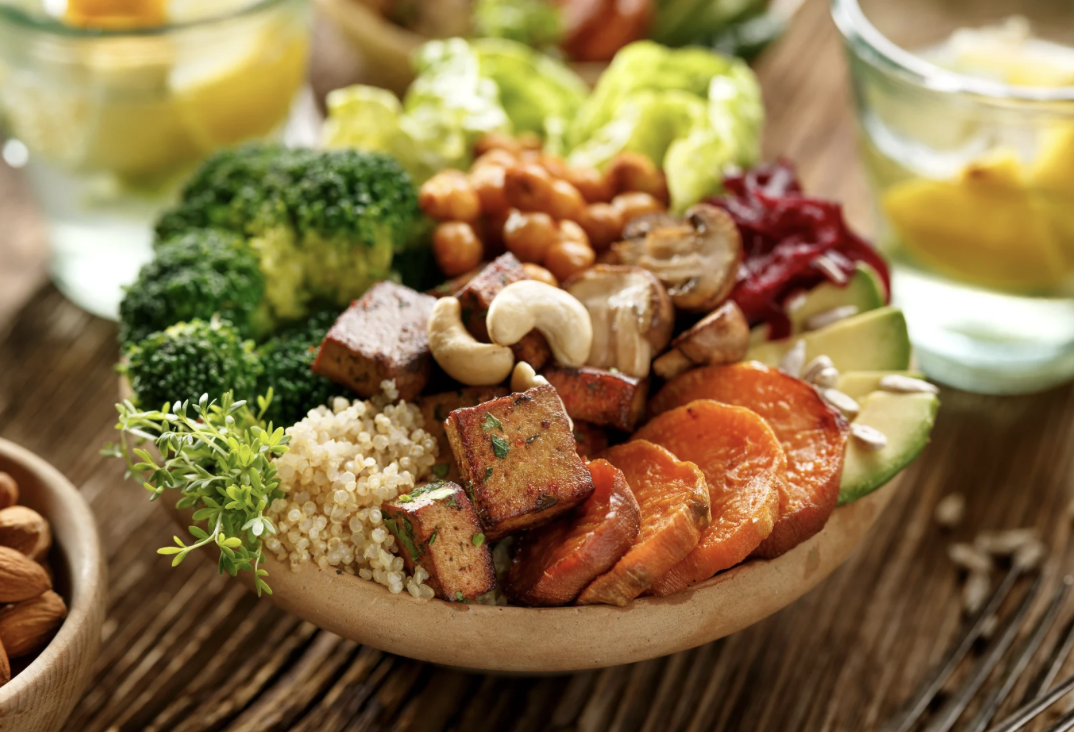
Why Fiber Matters More in Perimenopause
During perimenopause, estrogen and progesterone levels fluctuate unpredictably. These hormonal shifts can affect everything from your metabolism and digestion to blood sugar regulation and inflammation.
Fiber plays a powerful role in stabilizing many of those systems.
When you eat enough fiber, it helps slow digestion, regulate blood sugar, support the gut microbiome, and assist the body in clearing excess hormones.
All of those functions become increasingly important as your hormones begin to change.
Fiber Helps Balance Blood Sugar
One of the biggest changes many women notice in perimenopause is how sensitive their bodies become to blood sugar swings.
Meals that used to leave you feeling fine may suddenly lead to energy crashes, cravings, irritability, or brain fog.
Fiber helps slow the absorption of glucose into the bloodstream. When carbohydrates are paired with fiber, they digest more slowly, preventing the dramatic blood sugar spikes and crashes that can trigger fatigue, mood swings, and cravings.
Stable blood sugar also supports steadier cortisol levels, which can help reduce inflammation and improve energy throughout the day.
Fiber Supports Hormone Balance
There’s another reason fiber is so important during the menopause transition: it helps your body process and eliminate excess estrogen.
After estrogen has done its job in the body, it travels to the liver where it’s metabolized and prepared for elimination through the digestive tract. If fiber intake is low or digestion is sluggish, that estrogen can be reabsorbed into the bloodstream instead of leaving the body.
Over time, this can contribute to symptoms such as bloating, breast tenderness, heavier cycles, and mood swings.
Fiber acts like a gentle “sweeper,” helping move waste and excess hormones through the digestive system more efficiently.

Fiber Feeds Your Gut Microbiome
Your gut bacteria play a major role in hormone health, inflammation, and metabolism.
Certain gut bacteria even help regulate estrogen levels through what scientists call the estrobolome—a collection of microbes involved in estrogen metabolism.
Fiber serves as food for beneficial gut bacteria. When those microbes are well-fed, they produce compounds that support digestion, reduce inflammation, and improve metabolic health.
In other words, fiber doesn’t just support digestion—it supports your entire hormonal ecosystem.
Fiber Can Help With Weight Changes in Midlife
Weight gain in perimenopause can feel incredibly frustrating. Many women notice that their usual habits suddenly stop working.
Fiber can help here as well.
High-fiber foods increase satiety, meaning you feel fuller for longer after eating. They also reduce the likelihood of blood sugar crashes that lead to overeating later in the day.
In addition, fiber-rich foods tend to be nutrient-dense and anti-inflammatory—two factors that support metabolic health during midlife.

How Much Fiber Do Women Actually Need?
Most women should aim for 25–30 grams of fiber per day, yet the average intake is closer to 15 grams.
That gap can make a noticeable difference in energy, digestion, and hormone balance.
The key is increasing fiber gradually and spreading it across meals rather than trying to cram it into one sitting.
Easy Ways to Add More Fiber to Your Day
Adding fiber doesn’t require a complete diet overhaul. A few simple adjustments can go a long way.
Start with foods like:
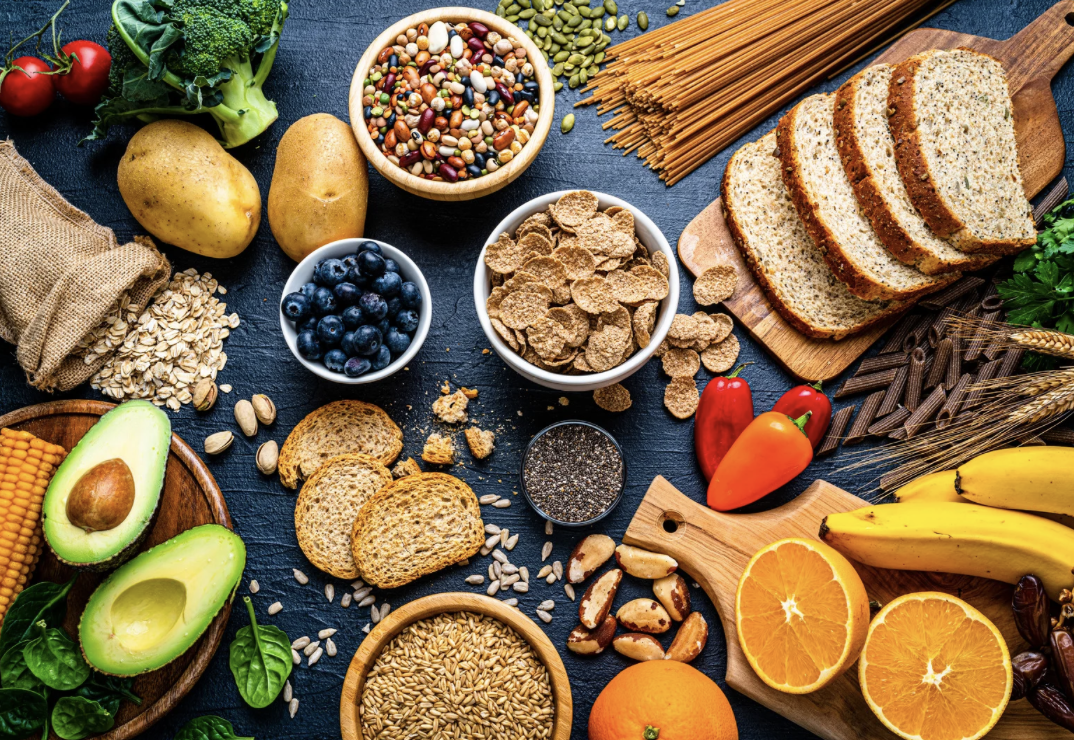
Chia seeds or flaxseeds added to yogurt or smoothies
Oats or overnight oats for breakfast
Lentils, beans, or chickpeas in soups and salads
Berries or apples with nut butter for snacks
Dark leafy greens like kale, spinach, or arugula
Avocados, which are surprisingly high in fiber
When you increase fiber, make sure to drink plenty of water, since fiber works best when it has fluid to move through the digestive system.

The Bottom Line
Protein might be getting all the attention right now, but fiber deserves a seat at the table too—especially during perimenopause.
It helps stabilize blood sugar, supports hormone metabolism, nourishes your gut microbiome, and keeps digestion moving the way it should.
In many ways, fiber is one of the simplest and most powerful tools for supporting your body through this transition.
And the best part? It’s something you can start improving today.
🌿 Want a Simple Place to Start?
You don’t have to overhaul your life to start feeling better—just start layering small, hormone-supportive habits. My 5-Day Perimenopause Relief Plan makes it easy. 5 tiny micro-habits to target inflammation, sleep, metabolism, fatigue, mood swings, and brain fog.
You don’t need to force motivation or discipline.
When your body feels supported, everything else becomes easier.
