Muscle Loss in Perimenopause: Why You’re Losing Strength (and How to Get It Back)
If you’ve noticed that your body feels different lately—softer, weaker, more tired, slower to recover—you’re not imagining it.
Maybe workouts that used to feel easy now leave you exhausted for days. Maybe your metabolism feels like it suddenly slammed on the brakes. Or maybe you’ve just noticed that your body doesn’t feel as strong or capable as it once did, even though your habits haven’t changed all that much.
A lot of women immediately blame themselves when this starts happening. They assume they’re not working hard enough, eating well enough, or staying disciplined enough.
But one of the biggest shifts happening during perimenopause is something most women are never warned about:
Muscle loss.
And it starts earlier than many people realize.
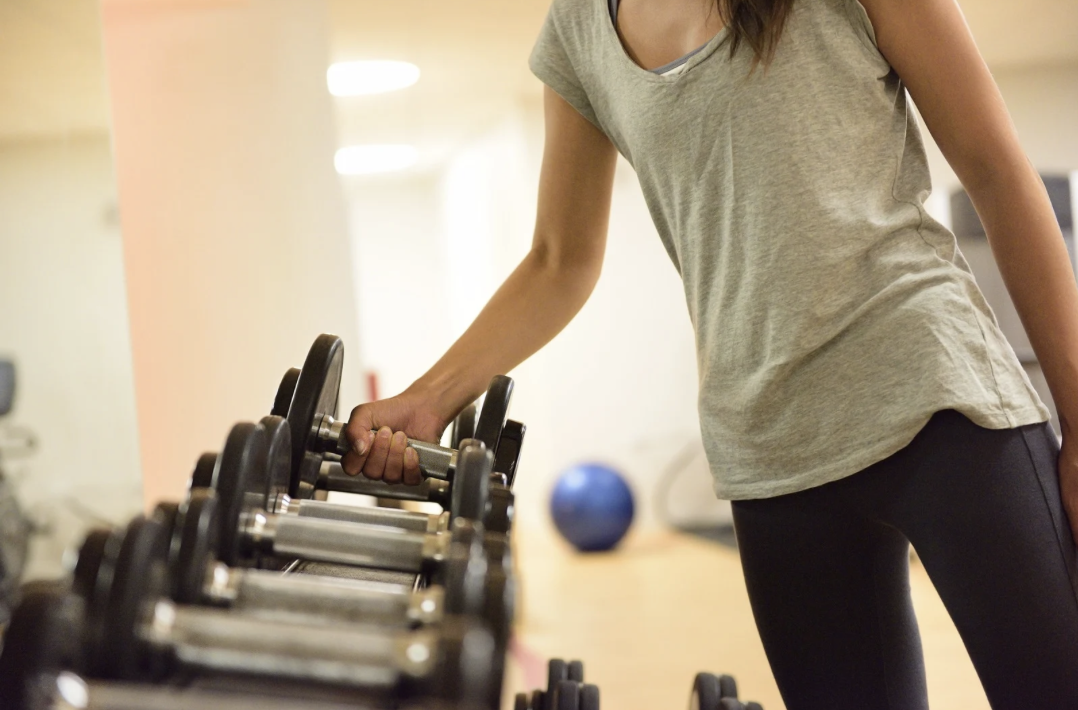
Why Muscle Changes During Perimenopause
Starting in our 30s and 40s, women naturally begin losing muscle mass as part of the aging process. This gradual loss of muscle is called sarcopenia, and hormonal changes during perimenopause can accelerate it significantly.
Estrogen plays a much bigger role in muscle health than most people realize. It helps support muscle repair, recovery, inflammation control, and the body’s ability to maintain lean muscle tissue. As estrogen begins fluctuating and declining, the body becomes less efficient at holding onto muscle.
That shift affects far more than appearance.
Muscle plays a major role in metabolism, blood sugar regulation, insulin sensitivity, mobility, balance, bone protection, and overall hormone health. In many ways, muscle becomes one of your greatest protective tools in midlife.
This is why so many women notice changes like:
slower recovery after workouts
increased fatigue
more joint pain or stiffness
decreased strength and endurance
stubborn weight gain, especially around the midsection
It’s not just aging. Hormones are part of the story too.
Why Muscle Matters More Than the Scale Right Now
One of the biggest mistakes women make during perimenopause is focusing only on losing weight instead of preserving and building muscle.
For years, many of us were taught that the goal was simply to be smaller. More cardio. Fewer calories. Burn more.
But during perimenopause, muscle becomes incredibly important for supporting your metabolism and long-term health.
Muscle is metabolically active tissue, which means it helps your body use energy more efficiently. It also improves insulin sensitivity and helps stabilize blood sugar—both of which become increasingly important as hormones shift.
This is one reason body composition can change so quickly during perimenopause, even if the scale barely moves. Women often lose muscle while gaining fat at the same time, particularly around the abdomen.
The goal during this phase isn’t just to weigh less. It’s to build a body that feels strong, stable, energized, and resilient.

Why Some Workouts Stop Working
A lot of women hit perimenopause still relying heavily on the workouts that worked in their 20s and 30s—long runs, excessive cardio, bootcamps, or constantly trying to “burn off” calories.
But as the body becomes more sensitive to stress and cortisol, that approach can sometimes backfire.
High-intensity exercise isn’t inherently bad, but too much of it—especially without enough recovery—can increase inflammation, elevate cortisol, worsen fatigue, and make recovery harder.
This is often why women feel frustrated doing “all the right things” while their bodies feel more inflamed, exhausted, or stuck than ever.
Perimenopause is usually the point where women benefit from shifting their focus from simply burning calories to building strength.
Strength Training Becomes Essential
Strength training is one of the most effective ways to support your body during perimenopause.
Not because you need to look a certain way—but because muscle supports nearly every system affected by hormonal changes.
Regular resistance training helps:
preserve lean muscle
support metabolism
strengthen bones
improve balance and stability
support blood sugar regulation
reduce the risk of injury as we age
And no, you do not need to spend hours in the gym or become obsessed with lifting heavy weights.
Simple, consistent strength training two to three times per week can make a meaningful difference.
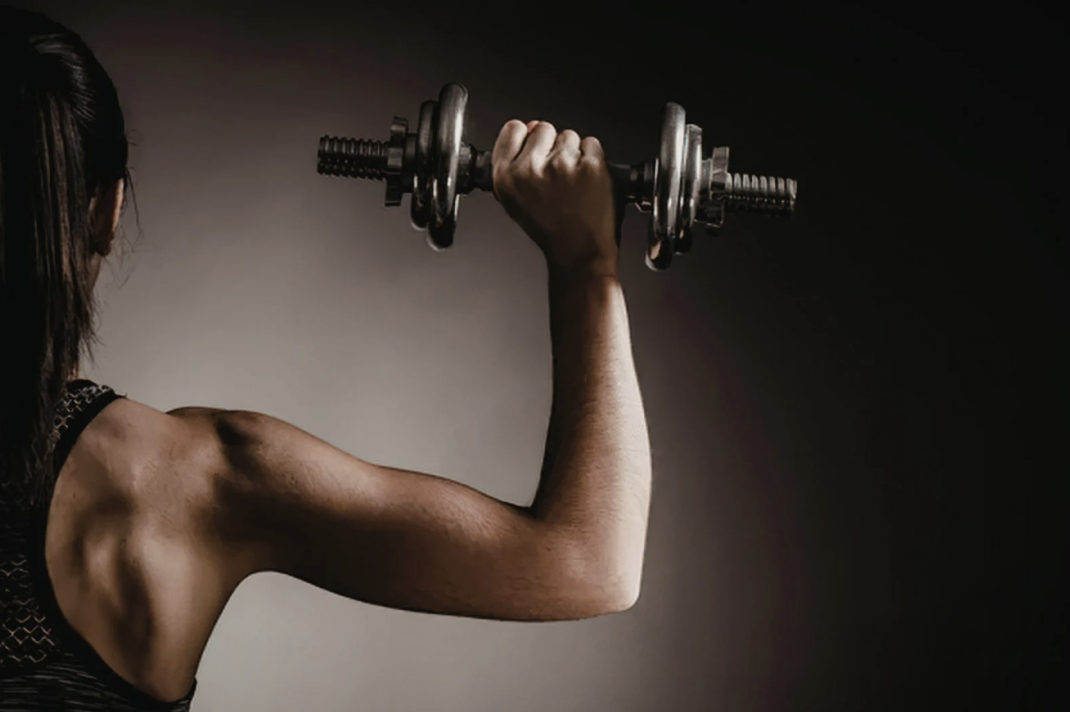
Dumbbells, resistance bands, Pilates with resistance, bodyweight exercises, or weight machines all count. The goal is simply to challenge your muscles consistently enough that they adapt and grow stronger over time.
Protein Matters More Now Too
This is another major shift women aren’t often told about.
As we age, the body becomes less efficient at using protein to build and maintain muscle tissue. That means women in perimenopause often need more protein than they did before.
Protein becomes essential not only for muscle repair and strength, but also for blood sugar balance, satiety, energy, and metabolism.
For most women, aiming for around 25–30 grams of protein per meal is a helpful target. Spreading protein throughout the day tends to work better than trying to cram it all into dinner.
And no—you don’t have to eat perfectly to benefit. Small improvements add up quickly.
Recovery Matters More Than Ever
This is the piece many women overlook.
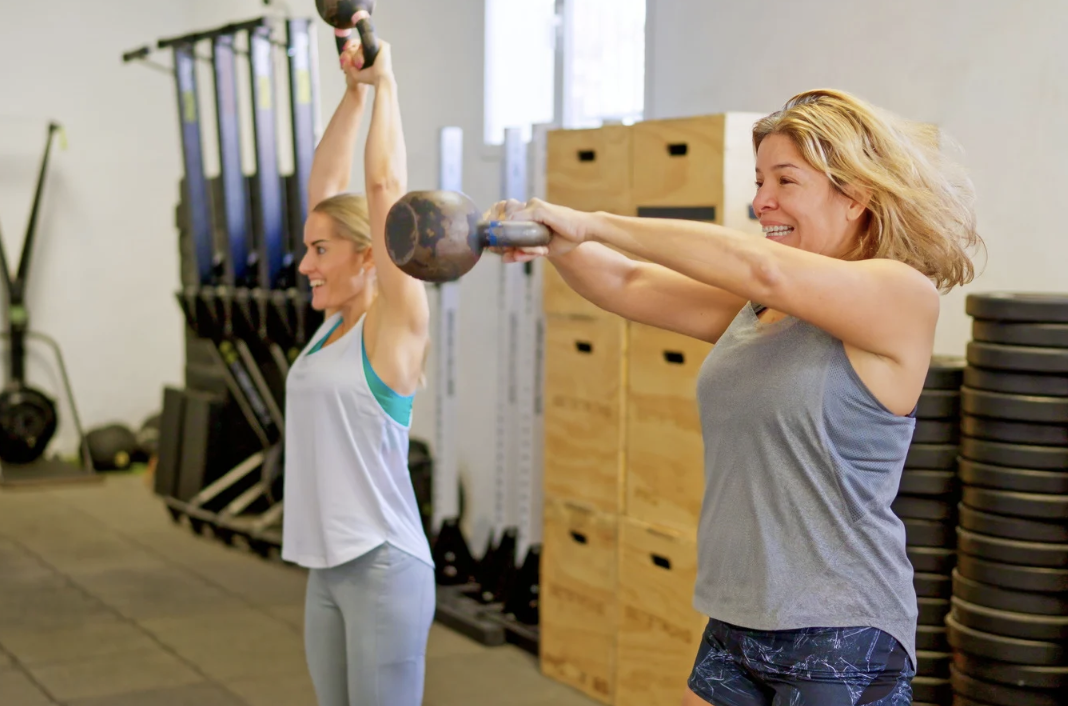
The body doesn’t build muscle during the workout itself—it builds muscle during recovery.
Sleep, stress levels, hydration, nourishment, and rest days all affect how well your body repairs and maintains muscle tissue.
If your nervous system is constantly stressed and your sleep is poor, your body stays in a more inflammatory state, making recovery feel much harder.
Perimenopause is not the season for pushing harder at all costs.
It’s the season for supporting your body more intelligently.

You’re Not Weak—Your Body Is Adapting
If your body feels different right now, it doesn’t mean you’re failing.
Your physiology is changing, and your strategy needs to change with it.
The good news is that muscle is incredibly responsive. Women can build strength, improve body composition, support metabolism, and feel dramatically better during perimenopause with the right combination of movement, nutrition, and recovery.
It is absolutely not too late to start.
🌿 Want a Simple Place to Start?
If you want help supporting your hormones through movement, nutrition, energy, and realistic daily habits, my 5-Day Perimenopause Relief Plan is designed to give you a simple starting point.
It focuses on foundational changes that support:
energy
metabolism
hormone balance
strength and recovery
Because feeling strong in your body changes everything.
